Top Polish E-Commerce and Online Service Platforms to Watch in 2026: A Complete Guide to mkes.pl and Similar Polish Digital Marketplaces
If you've been watching Central Europe's digital economy these past few years, you already know Poland isn't just keeping pace with the West — in a lot of ways, it's actually ahead. I've spent serious time researching and using Polish online platforms, and honestly? What I found surprised me more than I expected. The ecosystem here is mature, genuinely innovative, and localized in ways that make it far more effective for Polish consumers and businesses than most outsiders realize. This guide walks you through what you actually need to know about the top Polish e-commerce and online service platforms worth watching in 2026.
The Rise of Polish E-Commerce in 2026
Poland's e-commerce market has been on a steep upward curve — and it's not slowing down. Recent market analyses project the Polish online retail sector will exceed 120 billion PLN in 2026, putting it among the fastest-growing digital markets in the entire EU. So what's actually pushing this? A mix of high smartphone penetration, growing consumer confidence in online transactions, and a generation of digital-native shoppers who simply won't tolerate a clunky experience.
But here's the part that makes Poland genuinely interesting: it hasn't just copy-pasted Western models and called it a day. Polish entrepreneurs built platforms specifically shaped around local needs, cultural habits, and the country's infrastructure realities. The result is a digital marketplace ecosystem that international platforms consistently struggle to crack on home turf. If you're buying, selling, or operating inside Poland's borders, understanding this landscape isn't optional anymore — it's table stakes.
What Makes a Polish Digital Marketplace Stand Out?
Not all platforms are built the same, and Polish digital marketplaces have developed some genuinely distinct qualities that separate them from the generic European crowd. When I'm evaluating a platform, there are a few things I look for right away — qualities that tell me whether something was actually built for the Polish market or just translated from somewhere else and shipped.
Localization and User Experience
Language is the obvious first check, but real localization runs much deeper than flipping the interface to Polish. The best Polish platforms understand how Polish consumers actually think, shop, and communicate. That means product descriptions written in natural, idiomatic Polish — not machine-translated filler — customer service aligned with Polish business hours and cultural norms, and interfaces shaped around how Polish users actually browse.
Currency handling matters more than people give it credit for. Polish consumers work in PLN, and any platform that nudges users to think in euros or dollars — even subtly — creates friction that kills conversion rates. The platforms dominating this market keep everything in złoty: pricing, invoicing, refunds, the lot. Simple in theory. But you'd be surprised how many international players get this wrong and end up staring at abandoned carts wondering what happened.
Payment and Logistics Infrastructure
This is honestly where Polish platforms pull away from the pack. The domestic payment infrastructure here is genuinely world-class. BLIK — the mobile payment system that lets you transfer instantly with a six-digit code — has hit remarkable adoption rates and is now a baseline expectation on any serious Polish e-commerce platform. Przelewy24 and PayU fill out a payment ecosystem that's faster, cheaper, and more practical than what a lot of Western European markets can offer.
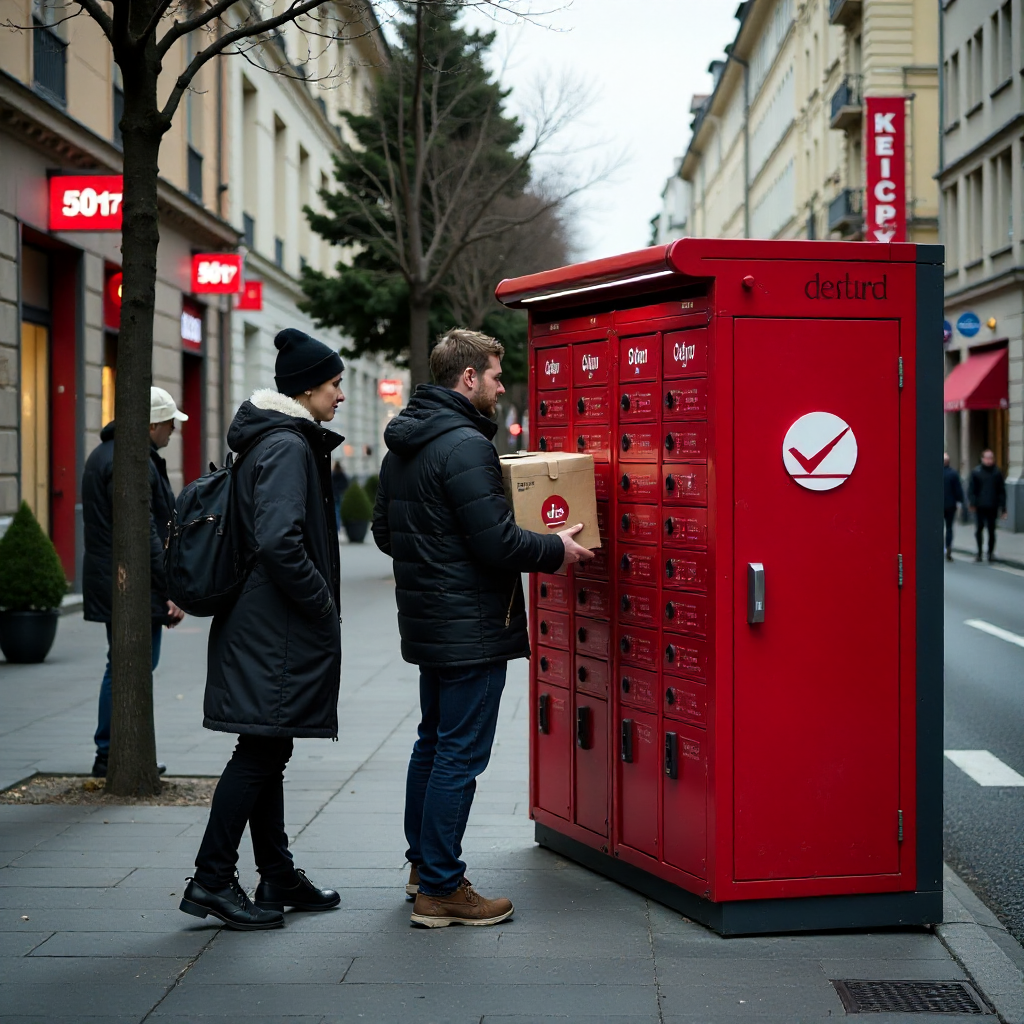
On logistics, InPost's parcel locker network changed the game. Thousands of lockers across the country means 24/7 collection is now just what Polish consumers expect — not a perk, a given. Platforms that connect smoothly with InPost, DPD Polska, and DHL have a real edge over anything still leaning on standard postal services.
Spotlight on mkes.pl — A Platform Worth Knowing in 2026
Among the platforms I've been digging into this year, mkes.pl is one I'd genuinely bookmark if you're navigating the Polish digital services space. Whether you're a consumer hunting for online services, an entrepreneur mapping the market, or an international business trying to decode the Polish digital ecosystem — this platform gives you a useful reference point and a practical set of tools to work with.
What I actually like about mkes.pl is that it doesn't try to do everything. There's a clear focus, a coherent service offering, and you can understand what you're getting without having to dig around for ten minutes. In a space where platforms often pile on features until no one can find anything, that kind of clarity is genuinely worth something.
Key Features and Service Offerings
The platform runs a well-organized interface — users can navigate its offerings without hitting unnecessary friction at every turn. The design reflects a real understanding of what Polish users want from a digital service platform: clean layout, clear categories, and direct access to what's on offer. For businesses looking to establish or grow an online presence in Poland, checking out mkes.pl early makes sense as a starting point for understanding what the local market actually expects.
I'd suggest visiting the site directly for a current read on its full service range, since the platform keeps evolving. But what stays consistent is its focus on serving the Polish market with locally relevant tools — and a user experience that doesn't need a manual.
Top Polish E-Commerce and Online Service Platforms to Watch in 2026
To give you a proper picture of the landscape, here are the major Polish digital platforms any serious market participant should know:
- Allegro — The undisputed giant of Polish e-commerce. Allegro holds dominant market share and serves as the primary marketplace for individual sellers and established businesses alike. Its Smart! subscription program for free delivery has built serious consumer loyalty.
- OLX — Poland's leading classifieds platform, especially strong in second-hand goods, real estate, and automotive. The default choice for peer-to-peer transactions.
- Ceneo — The leading Polish price comparison engine, which has grown into a major e-commerce discovery platform. Retailers who skip Ceneo are leaving a significant traffic source on the table.
- Empik Marketplace — Started as a books and media retailer; Empik has pushed aggressively into a broader marketplace model and carries strong brand recognition with Polish consumers.
- mkes.pl — A focused digital services platform built for users looking for specific online service categories within the Polish market. Clean, practical user experience — no bloat.
- Morele.net — A dominant player in electronics and IT products, known for competitive pricing and dependable customer service.
Each of these serves a distinct niche inside the broader ecosystem. Knowing which one fits your specific needs is really what determines whether you get the most out of Poland's digital marketplace landscape — or just spend time in the wrong place.
How to Evaluate and Choose the Right Polish Online Platform
Picking the right platform isn't just about finding the lowest price. Over time, I've built up a practical framework for evaluating Polish online platforms — one that goes past surface-level comparisons.
- Product or service range — Does the platform actually carry what you need, or will you end up navigating a thin catalog? Depth counts as much as breadth here.
- Seller reputation systems — Platforms with transparent, robust review and rating systems give buyers meaningful protection. Look for verified purchase reviews and clear seller performance data.
- Return and refund policies — Polish consumer law is strong, but platforms differ a lot in how smoothly they handle returns in practice. Check the process before you commit.
- Payment options — A platform without BLIK support in 2026 is telling you something about its commitment to the Polish market. Make sure your preferred methods are covered.
- Customer support quality — Test it before you actually need it. A simple pre-purchase question tells you a lot about how a platform handles real problems.
- Mobile experience — Most Polish online shopping happens on smartphones now. A clunky mobile interface isn't a minor inconvenience — it's a dealbreaker.
Common Mistakes to Avoid When Using Polish Digital Marketplaces
I've made some of these myself. And I've watched plenty of others walk straight into the same traps. Here's what to actually watch for when you're navigating Polish digital platforms:
- Ignoring seller ratings — On platforms like Allegro and OLX, seller reputation is everything. A suspiciously low price from an unrated seller is almost always a red flag. Almost always.
- Overlooking platform fees — If you're selling rather than buying, fee structures on Polish platforms can hit your margins harder than expected. Read the fine print before you list anything.
- Assuming cross-border shipping just works — Some Polish platforms operate exclusively within Poland, and their logistics integrations stop at the border. Verify shipping capabilities before ordering anything for international delivery.
- Skipping the terms and conditions — Polish consumer protection law is solid, but it only helps you if you understand what you're entitled to. Five minutes with the key terms is worth it.
- Not comparing across platforms — Something listed on Allegro may be noticeably cheaper through Ceneo's partner stores, or the other way around. Price comparison takes two minutes and it's almost always worth it.
The Future of Polish E-Commerce Beyond 2026
Several trends are set to reshape the Polish digital marketplace in ways that matter — for consumers and businesses both.
AI-driven personalization is already changing how Polish platforms surface products and services. The players investing in recommendation engines and behavioral analytics now will deliver measurably better experiences within the next two to three years. I'd expect Allegro and the other major names to push their AI investments hard from here.
Sustainable e-commerce is gaining real traction with Polish consumers — younger shoppers especially are paying attention to packaging, carbon footprint, and sourcing. Platforms that work sustainability signals into their product listings will build a genuine edge over those that don't.
Social commerce — shopping integrated directly into social media — is picking up fast in Poland, particularly through Instagram and TikTok. More Polish brands and marketplaces will build native social commerce capabilities over the next few years. It's not a question of whether, just when.
Cross-border EU trade keeps expanding, and Polish platforms are increasingly positioned to act as entry points for Central and Eastern European consumers. Platforms like mkes.pl and others that keep their localization and service quality high are well-placed to grow as Poland's digital economy keeps climbing.

The Polish digital marketplace ecosystem in 2026 is competitive, full of real value, and more sophisticated than a lot of outside observers give it credit for. Whether you're just starting to map what's available or you're a regular participant looking to sharpen your approach, the platforms and principles in this guide give you a solid foundation. Stay curious, keep comparing, and don't assume the biggest name is automatically the best fit for what you actually need.